
HIV Media Guide for Journalists
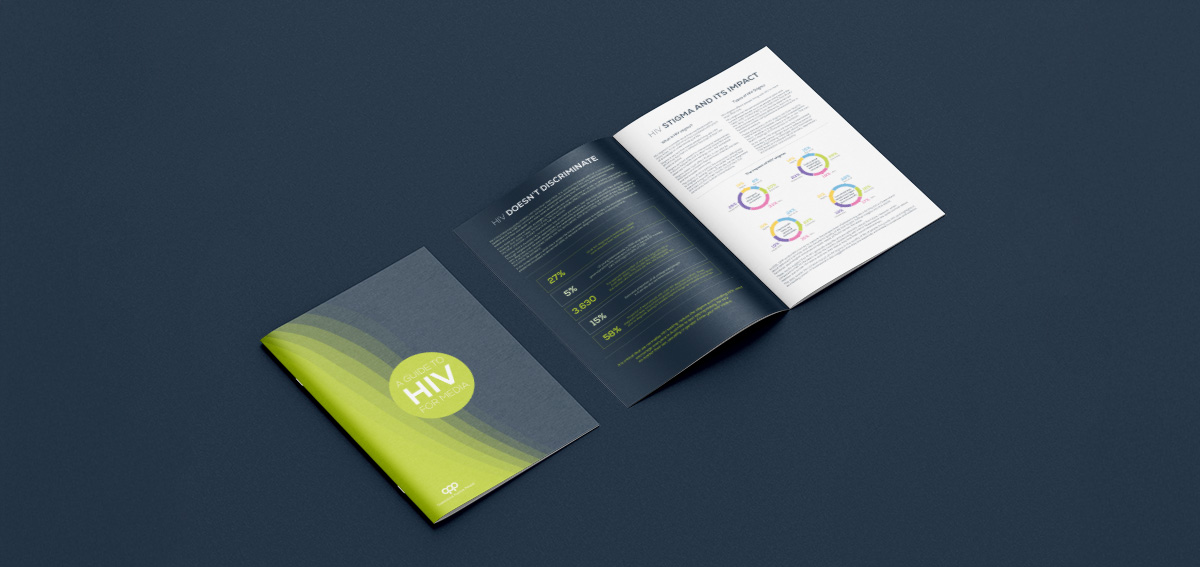
It’s so important that everyone gets complete, accurate, and insightful information about HIV and related topics. To do this well, journalists, reporters, and anyone speaking about HIV to the public will greatly benefit from really good grasp of HIV itself, along with its social and medical impacts, and be ready to challenge myths and misinformation.
When we talk about HIV, it’s vital to be informed and balanced, steering clear of anything sensational. Why? Because inaccurate or hyped-up reporting can easily spread false information about how HIV affects Queensland and Australia, or even worse, reinforce outdated stigma that deeply impacts the lives people living with HIV. That kind of reporting really undermines all the hard work going into HIV prevention, and rarely reflects majority of the lives of those living with HIV in Queensland.
This guide is here to give you the information and recommendations you need to avoid common myths, outdated ideas, and pitfalls when reporting about HIV in Queensland.

